Michael Filocamo
Cinematographer.
Some Thoughts on Shooting The Witness
The starting point for The Witness was Alex Winckler’s desire to place the audience inside the characters’ experience rather than observe them. Together we explored what that meant photographically, developing a visual language that would keep the camera psychologically attached to the characters.
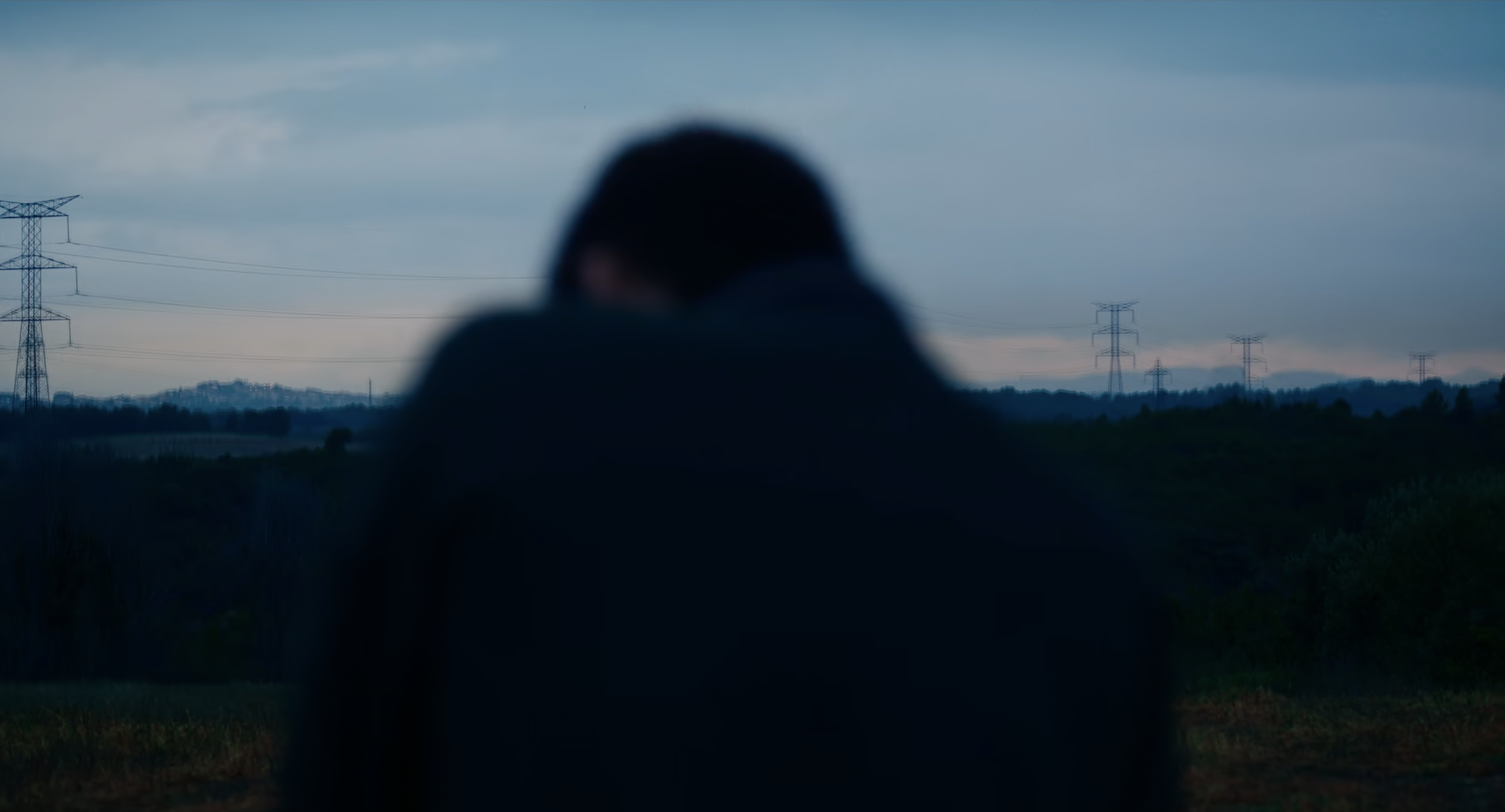
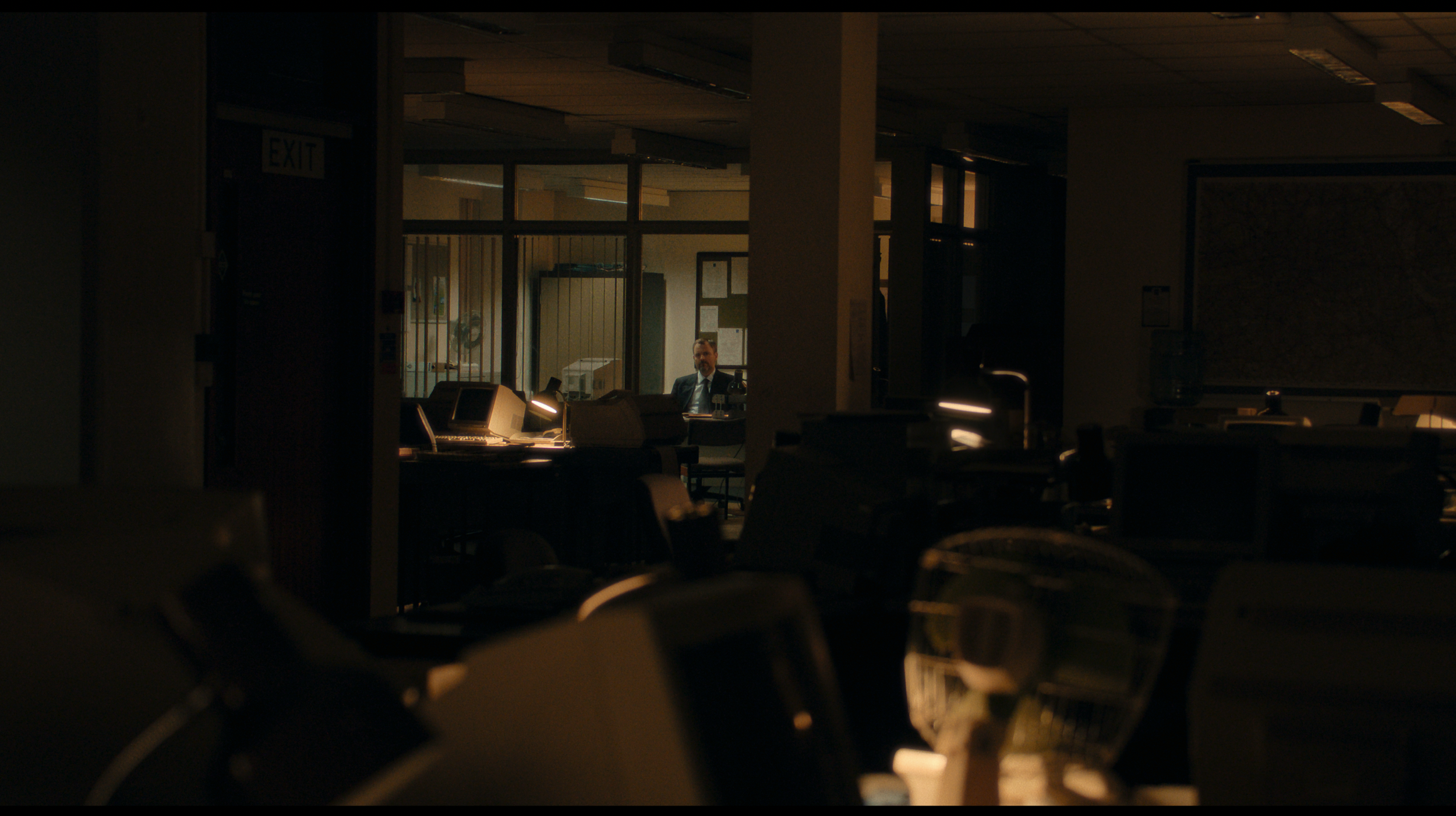
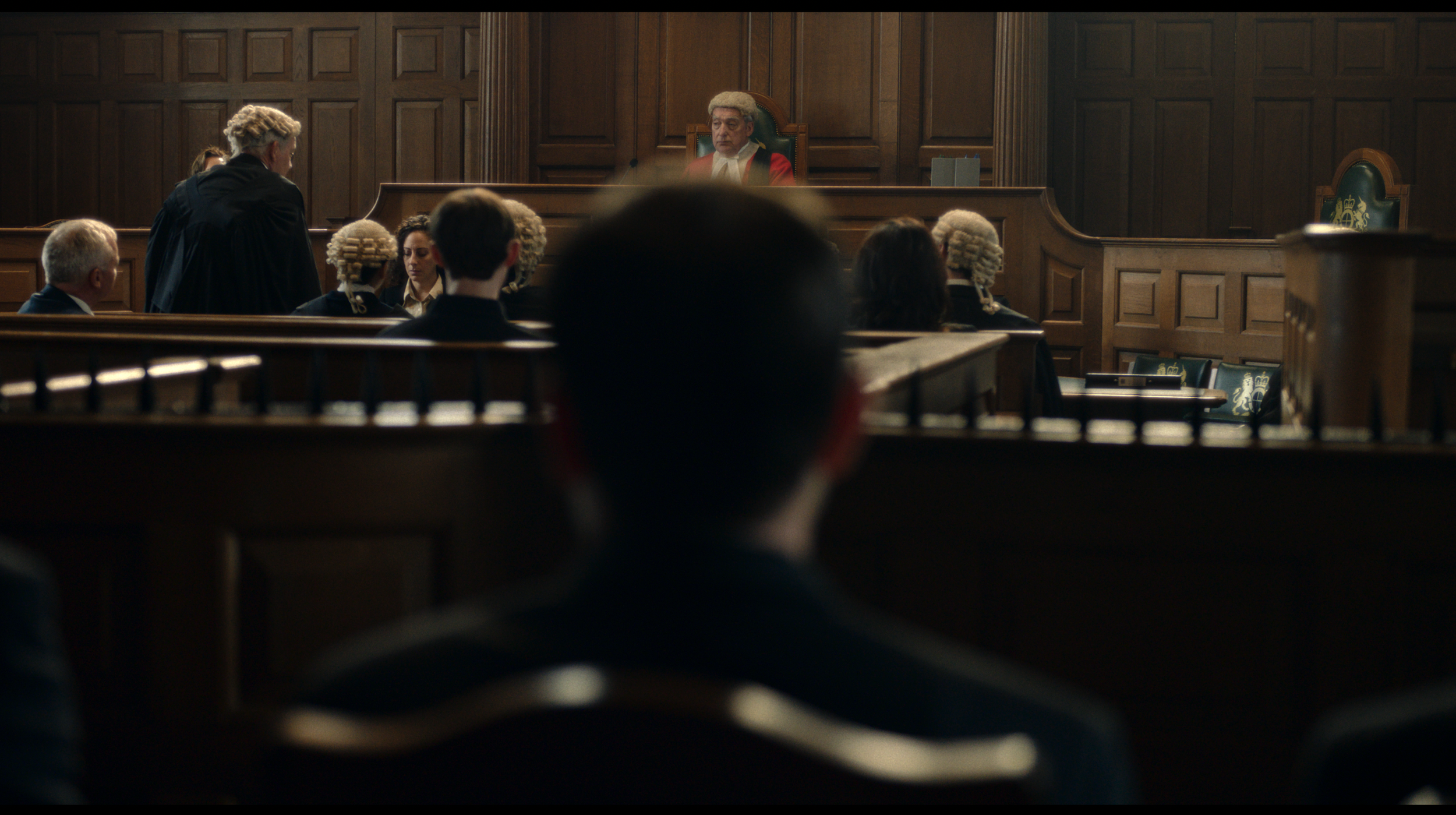
Although the story is structured around a murder investigation, we wanted to avoid the objective grammar of a conventional crime drama. We often avoided traditional establishing wides, instead discovering spaces through over-shoulders, backgrounds and shifts in focus. At times, focus rests on the back of a character’s head while the world is revealed beyond them; elsewhere, zooms gradually close the frame as pressure builds. The intention was always that information should be experienced through its emotional effect on the characters rather than simply presented to the audience.
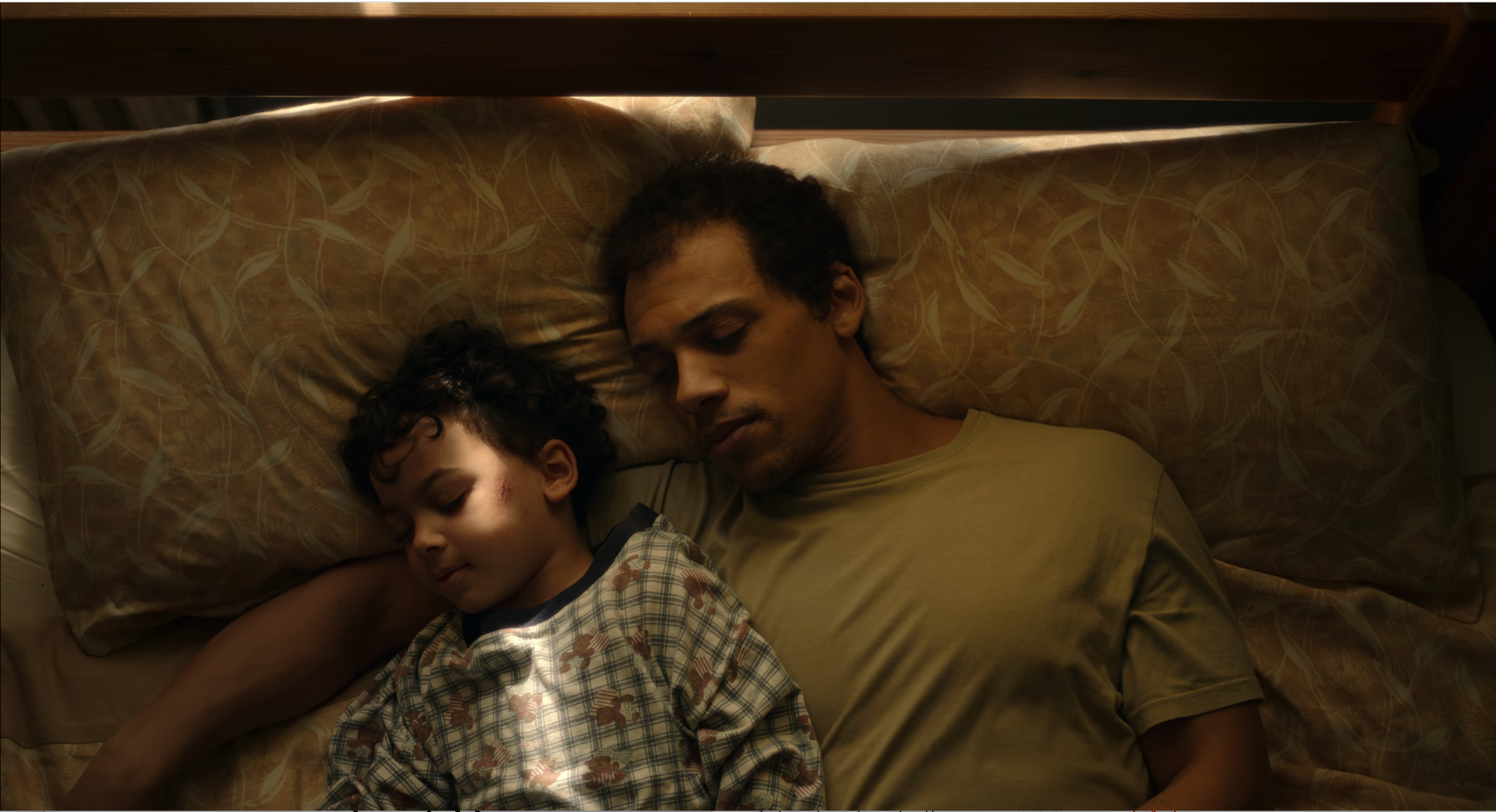
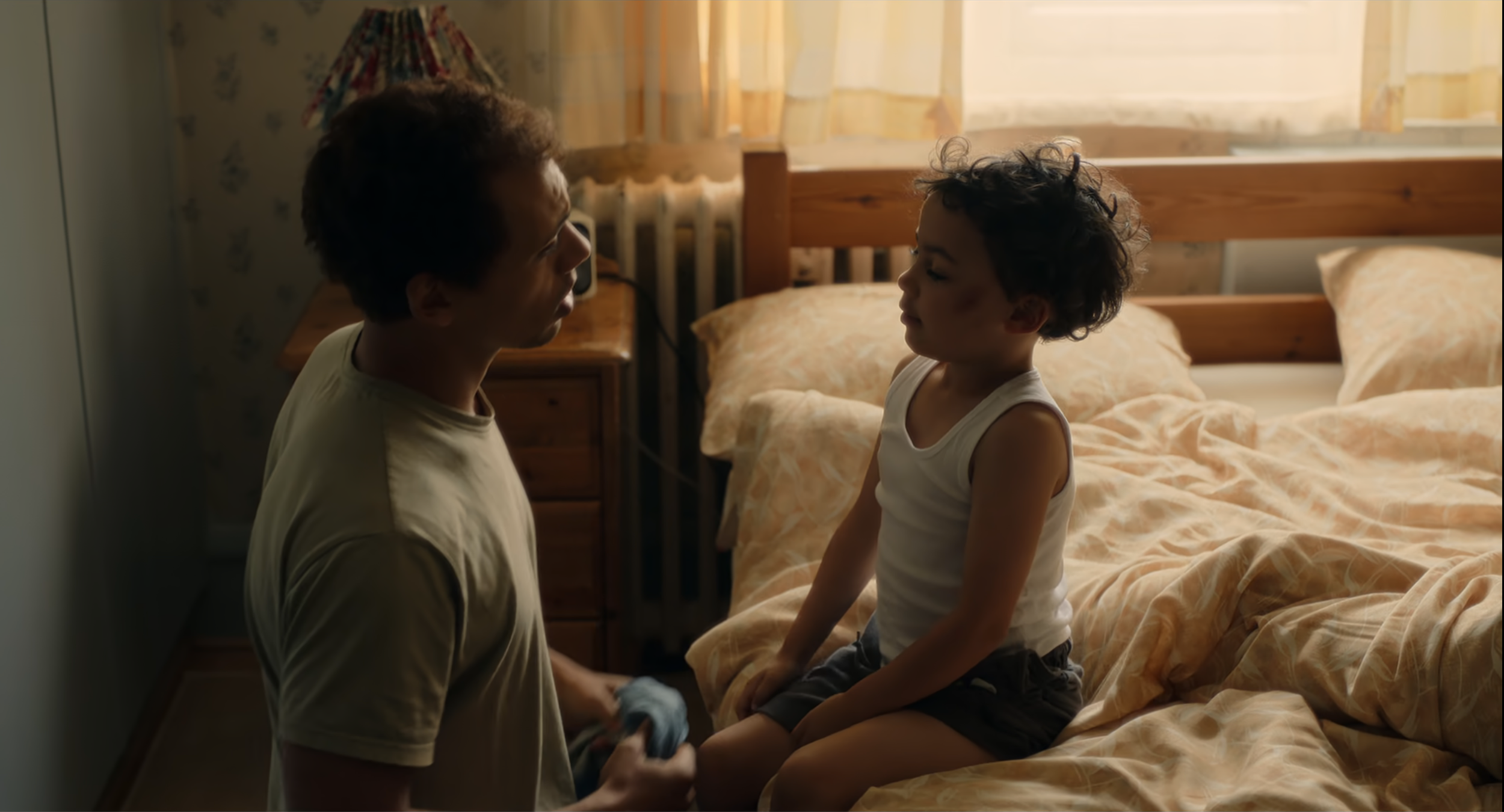
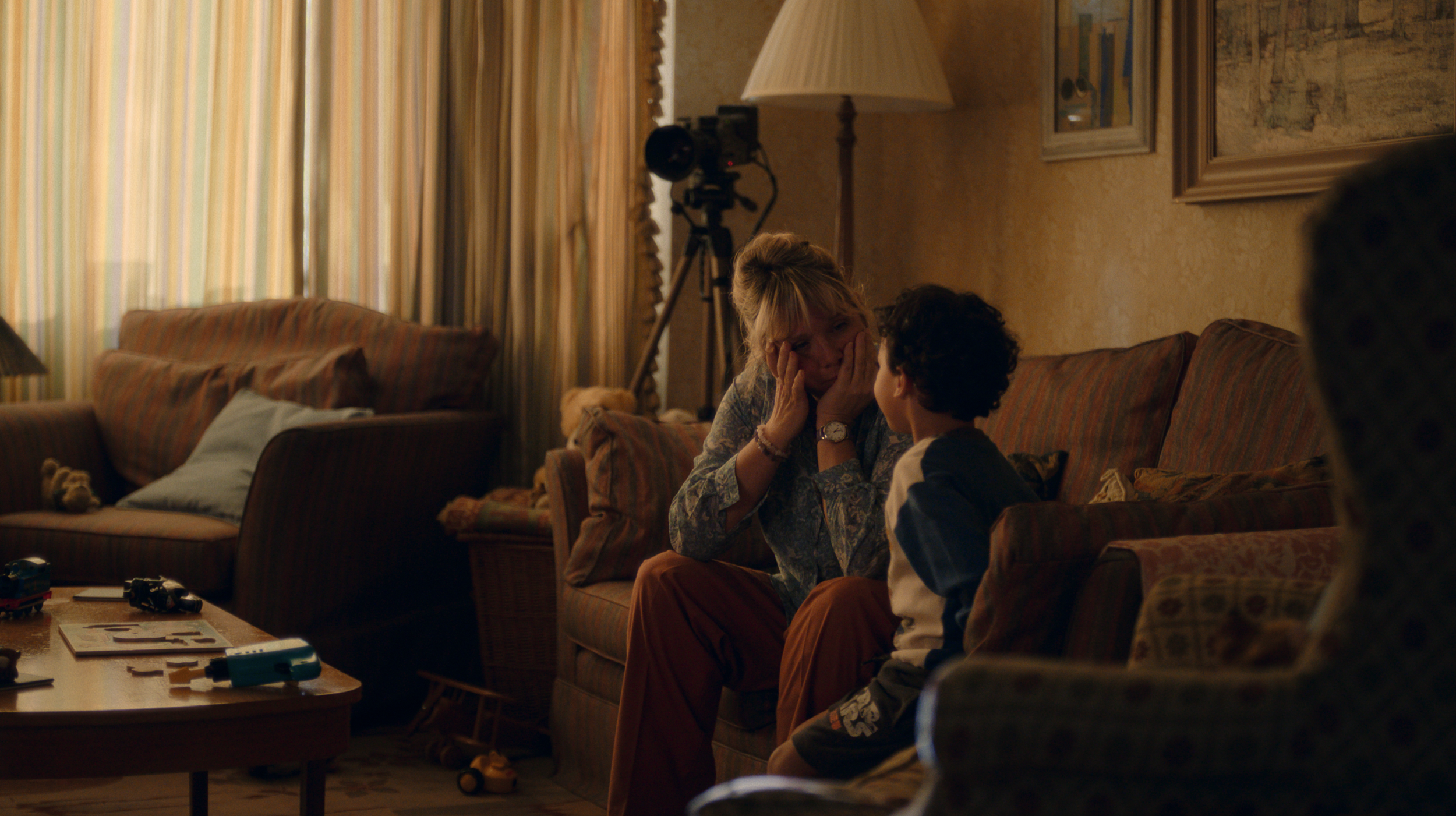
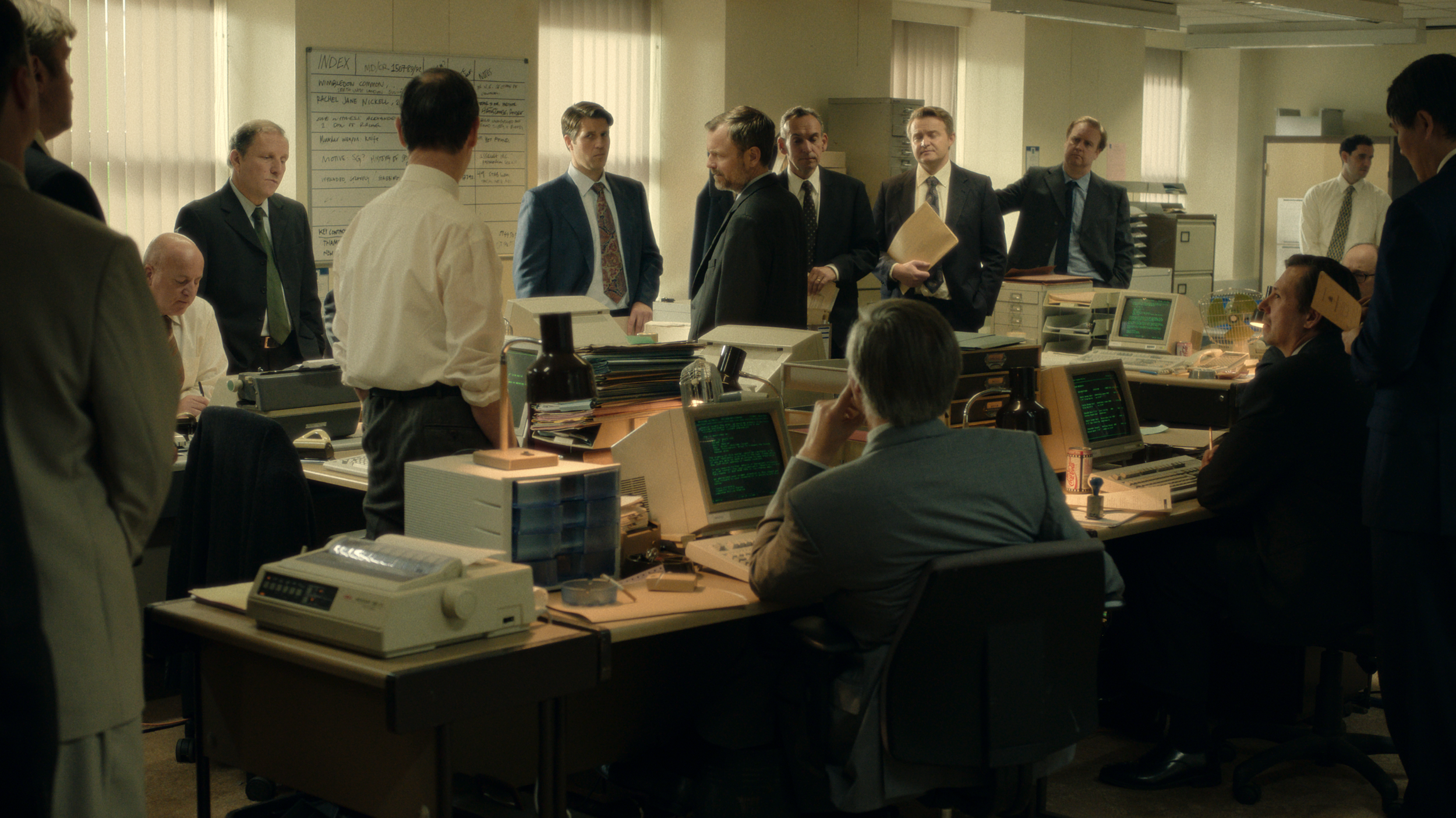
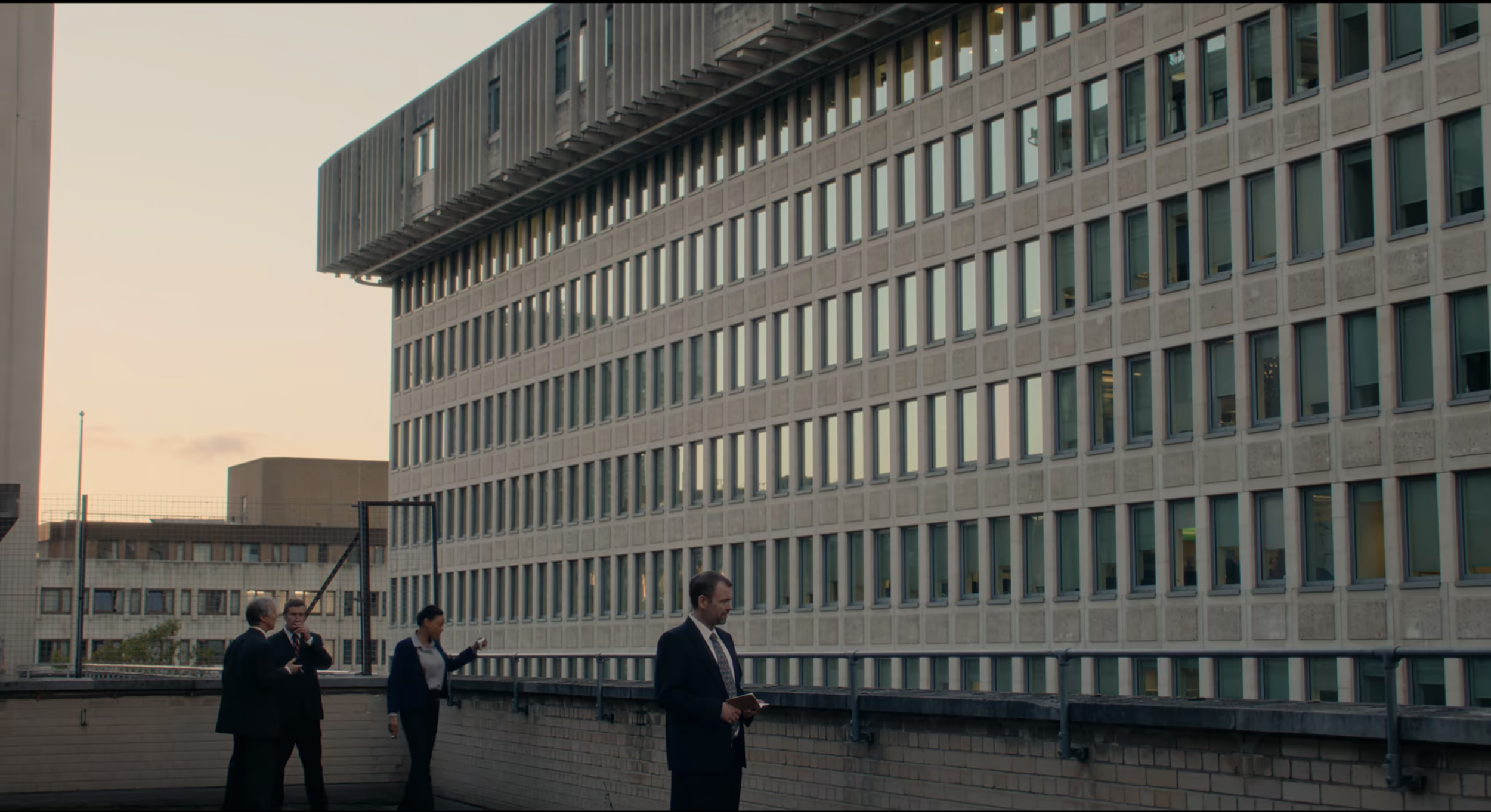
The different timelines needed to feel immediately distinct without becoming overly schematic. I approached the 1990s with a warm, summery palette, like a memory yellowed by time. I loved the contradiction between that warmth and Rachel’s loss, as though tragedy had interrupted a beautiful day. The 2000s became cooler and more concrete; emotionally, it feels as though the sun has not quite returned.
Performance also shaped the way we photographed the series. Working with our five-year-old actor, rather than asking him to find marks for the camera, the handheld camera found him. We began scenes with his close-up and allowed him to respond instinctively, then built the rest of the scene around what he gave us. It protected the spontaneity and innocence of his performance while allowing the adult performances around him to become considerably darker.
I wanted the lighting to offer the actors that same freedom. Working closely with the production designer, we kept stands and fixtures away from the floor wherever possible, using practicals and hard sources through windows to create soft bounced light. We selected window fabrics partly for the way their colour and texture transformed that light and contributed to the emotional character of each space. The result was an environment in which the cast could move and respond instinctively without the lighting dictating their performance.
Alex also challenged me to find subjective breathing spaces within the story. My response was recreated home video on MiniDV. Because these were images ostensibly created by the characters themselves, they became perhaps the purest expression of our approach, their lives seen through images they had made. Within Alex’s childhood footage, I incorporated fragments suggesting the killer as a child, deliberately blurring whose memories we were watching. Giving both boys the same visual language created a subconscious connection between them and allowed the images to quietly ask what separates two people who have both experienced violence, and as the show teaches us, that’s the love between a parent and child.